Efficient and thorough extruder cleaning is vital for maintaining product quality, minimizing downtime, and extending the life of extrusion equipment. However, extruder operators often encounter common challenges such as resin buildup, color contamination, and material bridging.
Using Specialized Purging Material for Extruders can greatly improve cleaning efficiency, but understanding how to troubleshoot common issues is key to achieving optimal results. Here’s how Purging Compounds can help:
Resin Buildup and Color Contamination
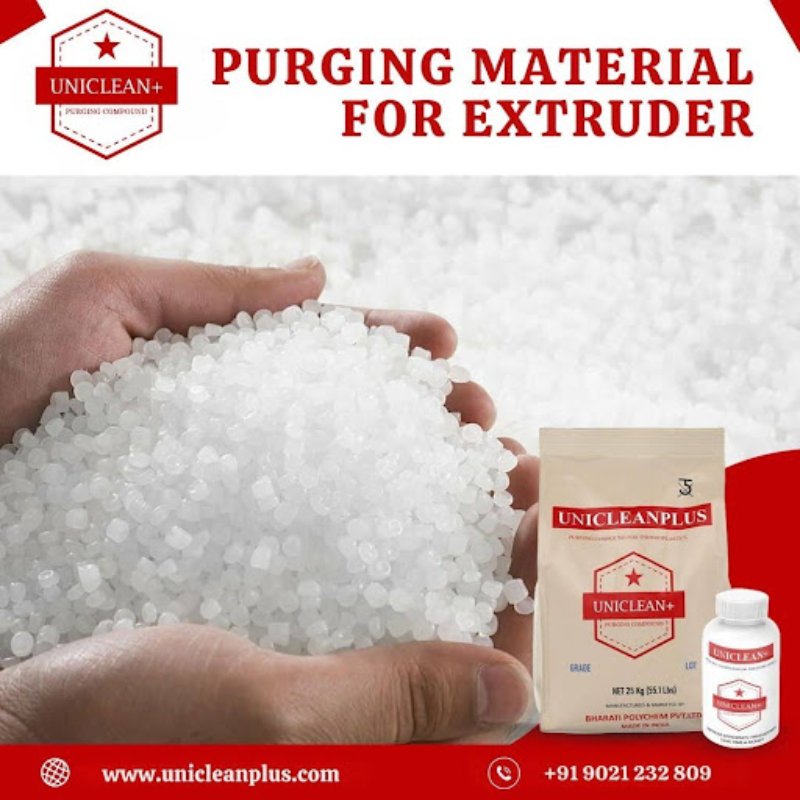
Residual resin accumulation inside the barrel and on the screw is a frequent problem. Leftover material can lead to color contamination and inconsistent product quality. Purging Materials formulated specifically for extruders can remove these residues more effectively than conventional resins or manual cleaning.
If color streaks persist after purging, this could indicate insufficient Purging Compound or incorrect temperature settings. To troubleshoot, ensure the Purging Material matches the polymer being processed and that barrel temperatures follow the manufacturer’s recommendations—usually around 200°C for plastics.
Material Bridging and Screw Jamming
Material bridging occurs when granules or powders form clumps inside the hopper or feed zone, resulting in irregular feed and potential screw jamming. Causes include inappropriate material size, moisture content, or static buildup. Purging Compounds help reduce bridging by cleaning residual material and smoothing screw surfaces.
To prevent this, verify feedstock quality and moisture levels, perform regular purging during color or material changes, and consider pneumatic hammers or vibration-assisted feeders to keep material flowing smoothly.

Incomplete Fiber or Filler Removal
Filled materials containing fibers, carbon, or calcium carbonate additives can be difficult to clean because abrasive fillers tend to stick to the screw and barrel.
Specialized Purging Compounds with enhanced abrasive properties can dislodge these particles effectively. If fibers persist, operators can adjust purging speed and temperature, or supplement with mechanical cleaning. In some cases, disassembling the screw for manual cleaning may be necessary.
Incorrect Temperature and Screw Speed Settings
Purging efficiency depends heavily on operating parameters. Low barrel temperatures prevent the Purging Material from melting properly, leaving residues behind, while excessively high temperatures may degrade the compound.
Maintaining screw speeds between 15–25 rpm during purging ensures consistent cleaning flow. Operators should also monitor torque and pressure to avoid equipment damage. Proper adjustment of temperature and screw speed according to material and Purging Compound specifications is crucial.
Die and Head Tooling Challenges
Backpressure from the die or head tooling can reduce purging effectiveness. In such cases, temporarily removing the die or other tooling can improve compound flow and cleaning performance. Operators must follow safety protocols and ensure system pressure remains within limits during this process.
Conclusion
Troubleshooting extruder cleaning issues with Purging Materials requires understanding resin behavior, material characteristics, equipment design, and processing parameters.
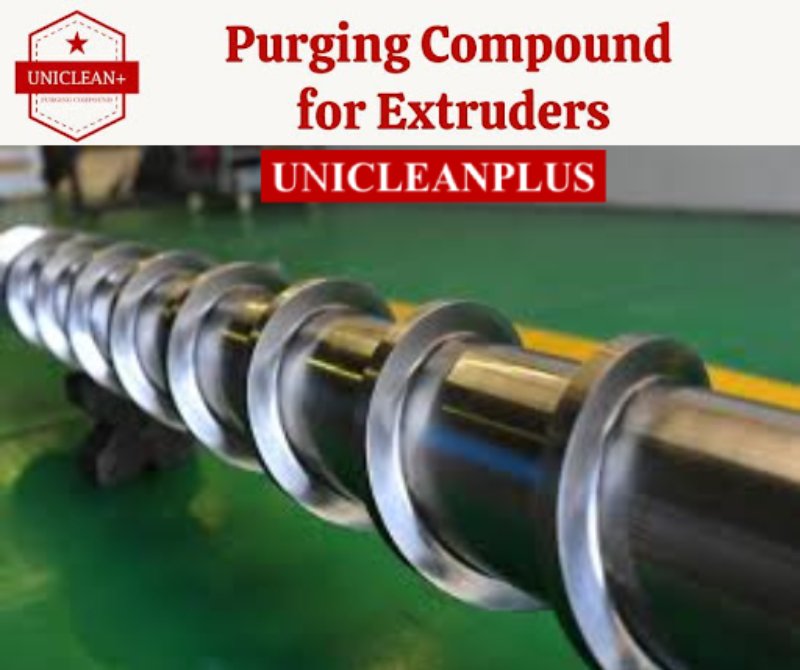
By choosing the right Purging Compound for Extruders from UNICLEANPLUS, optimizing temperature and screw speed, and addressing mechanical challenges like bridging or die restrictions, operators can achieve cleaner machines and consistent product quality. Incorporating Purging Materials into a preventive maintenance routine ensures smoother, uninterrupted extrusion production.